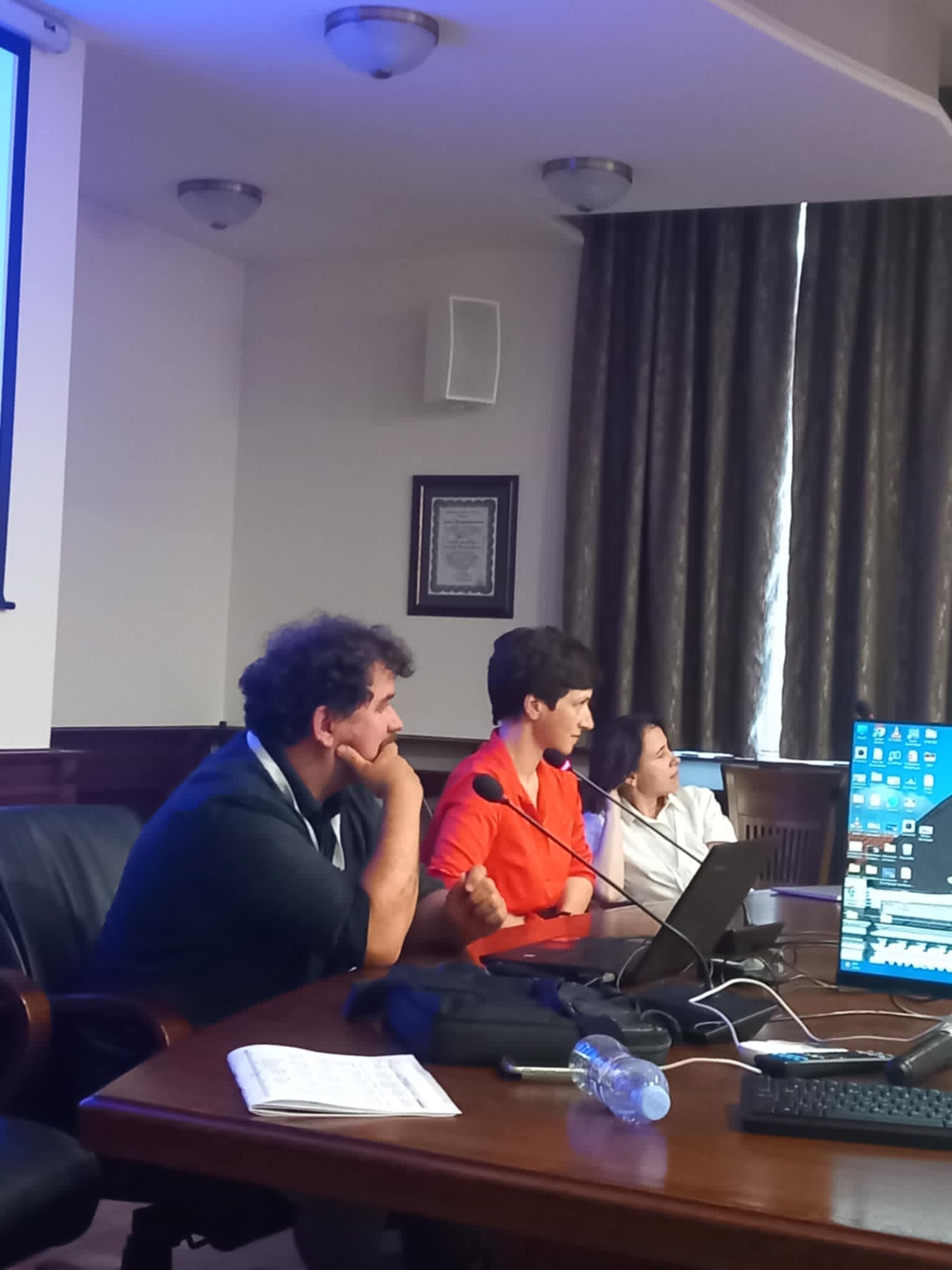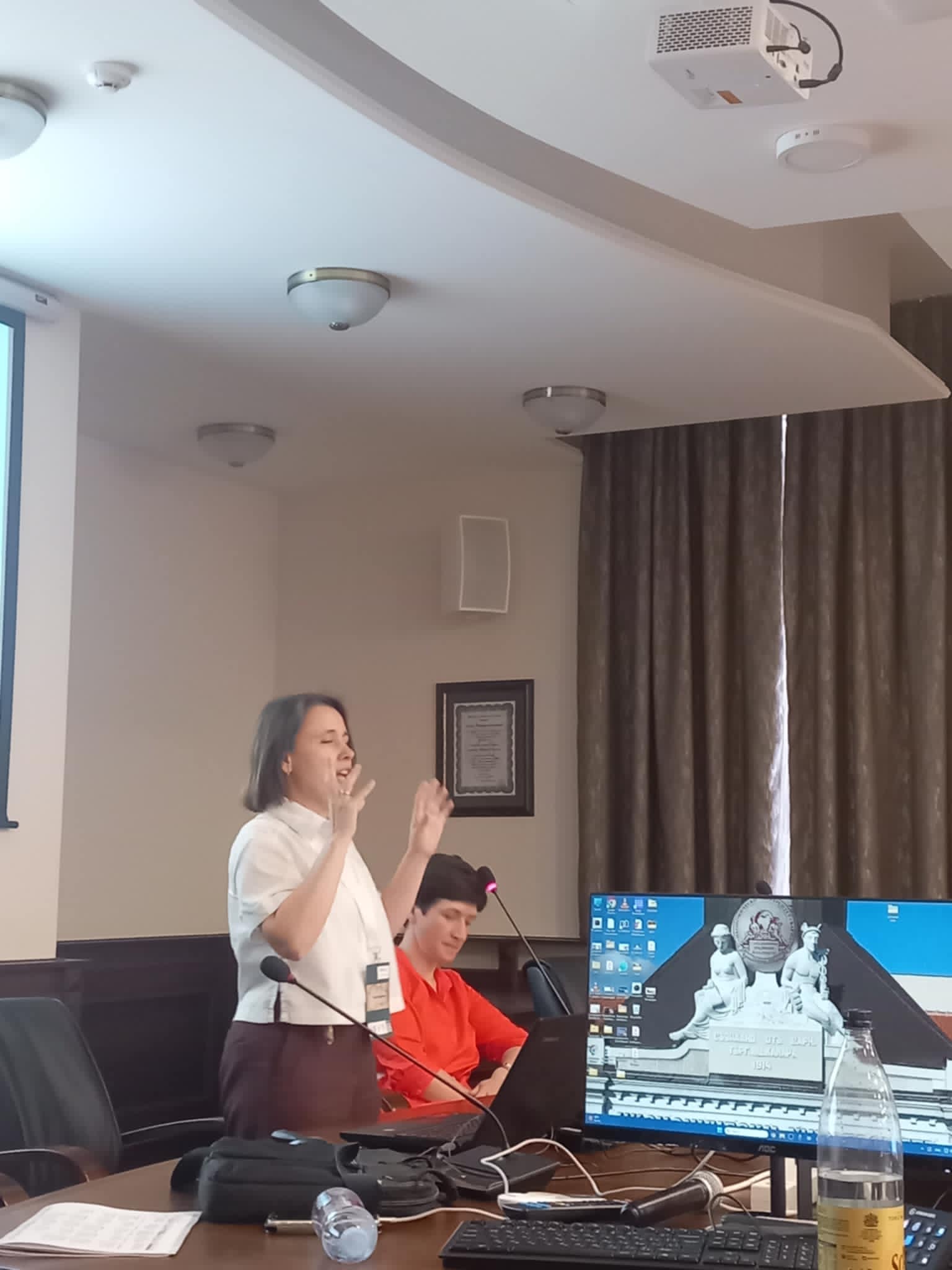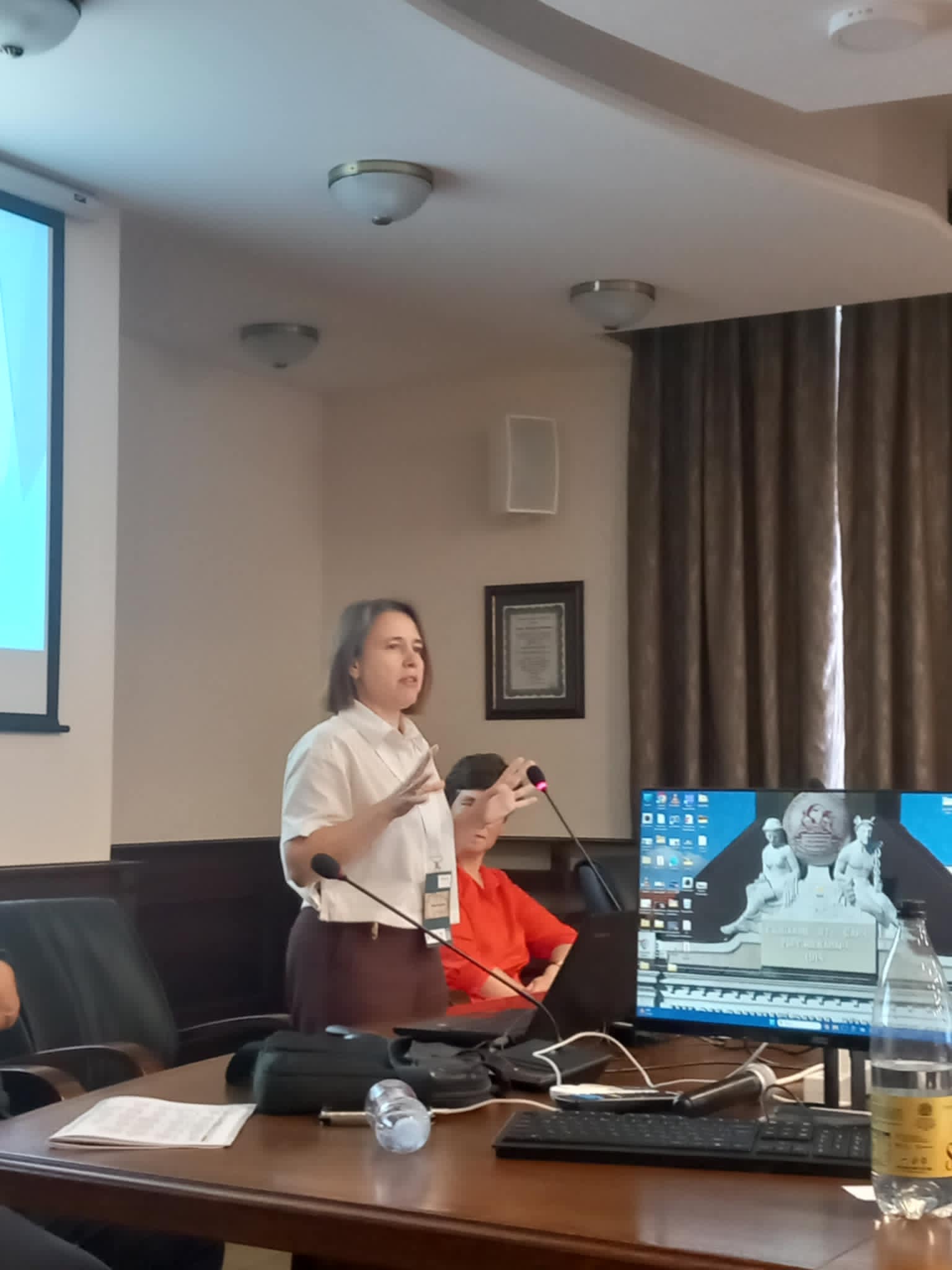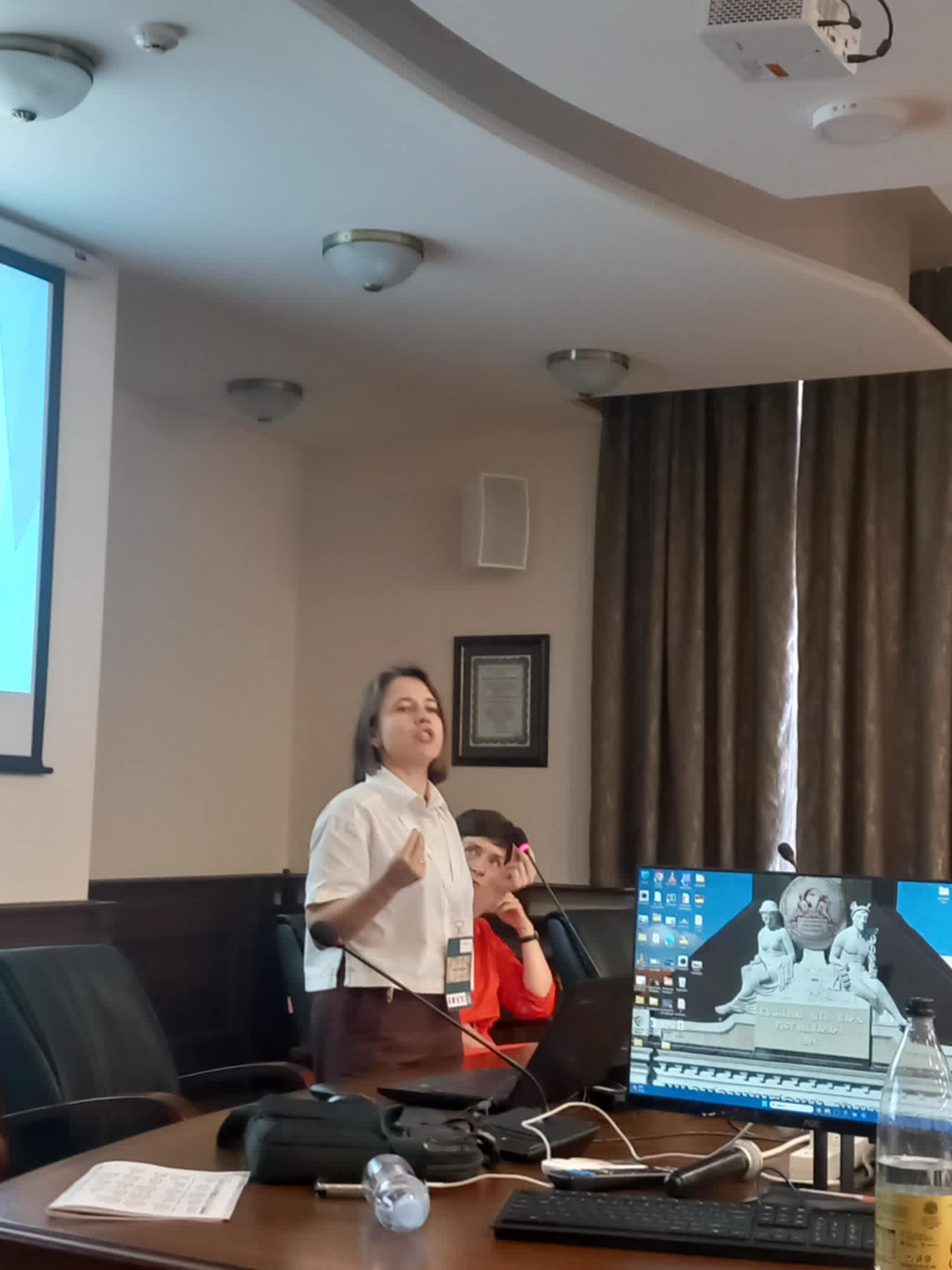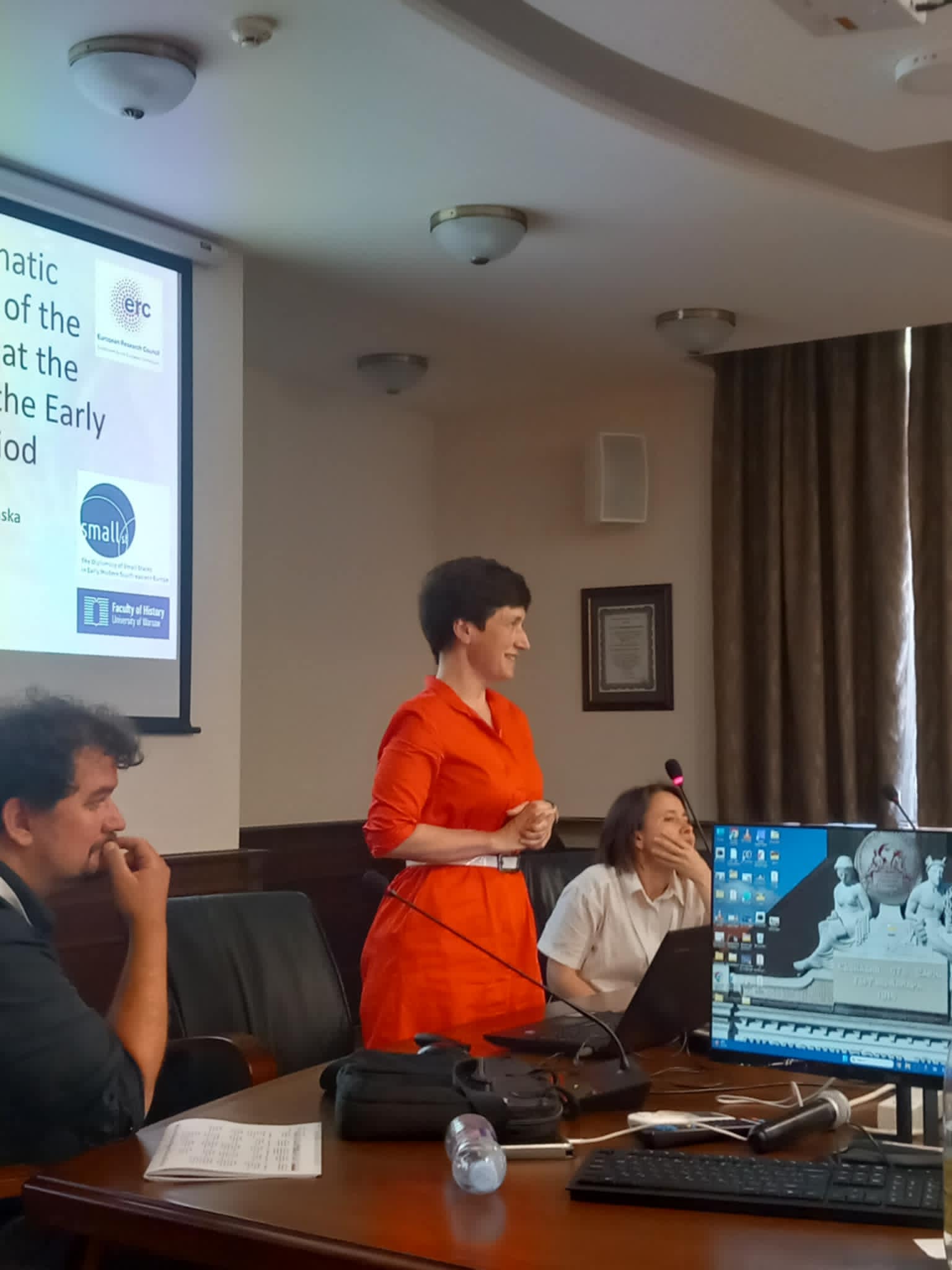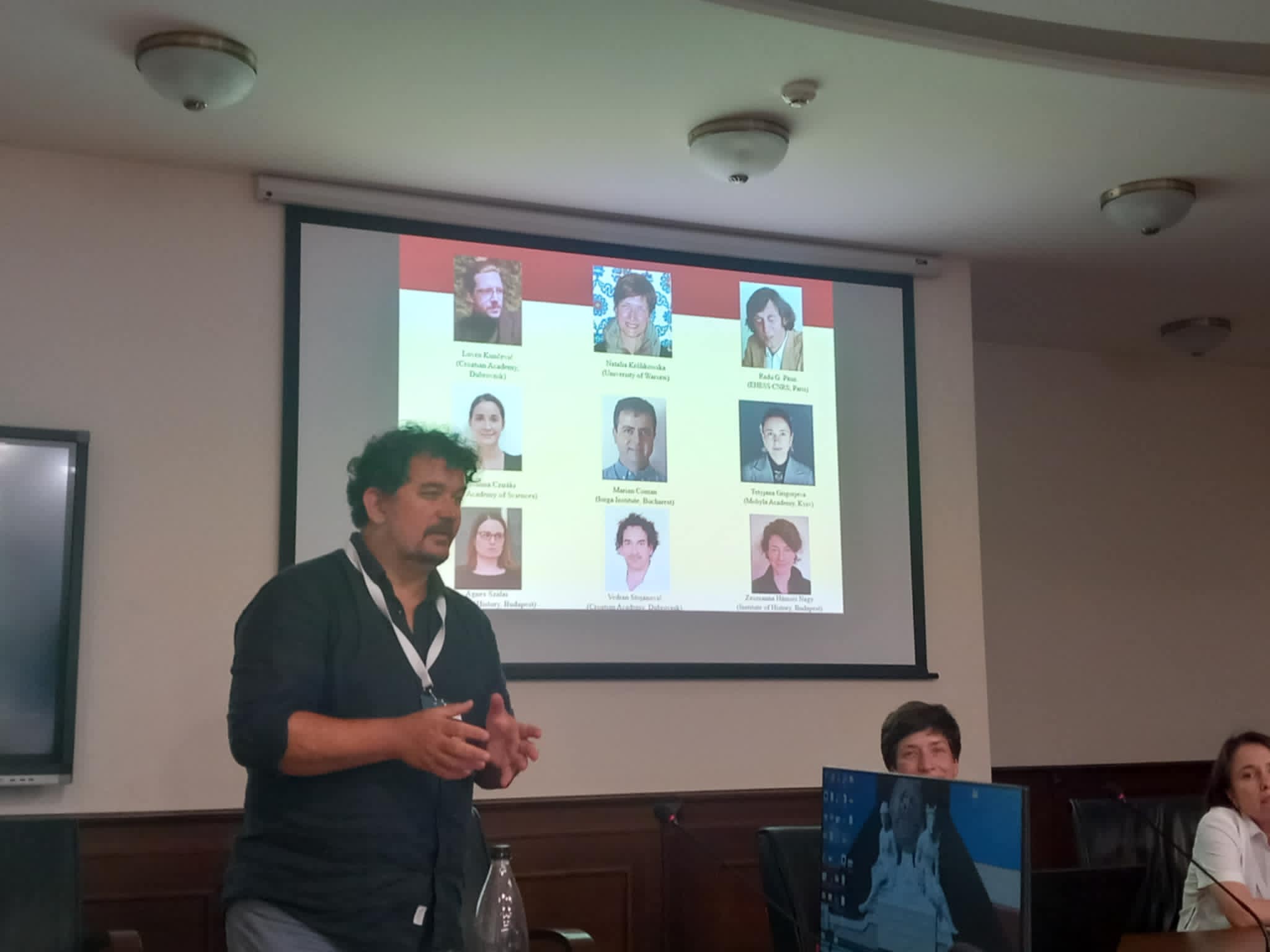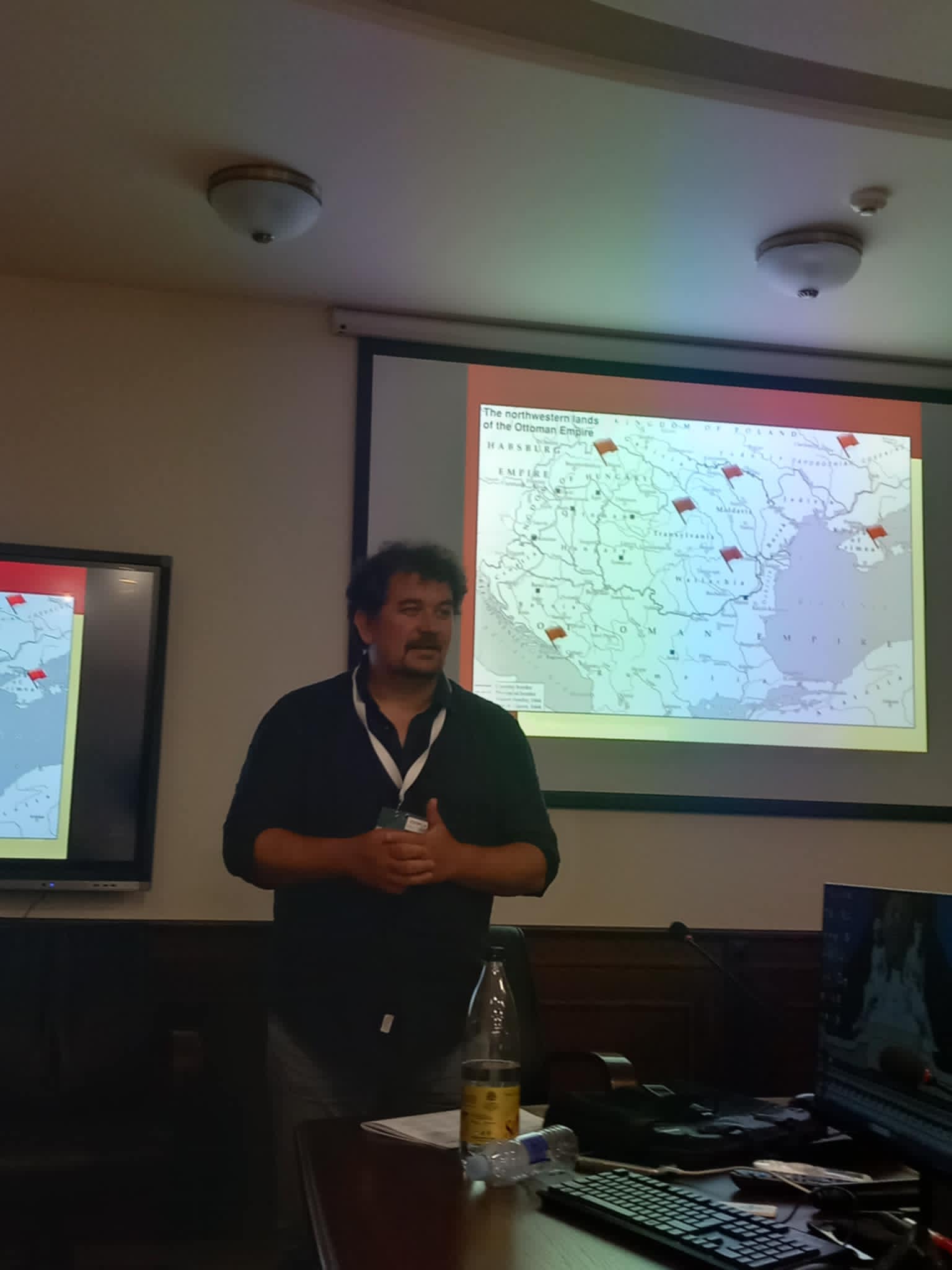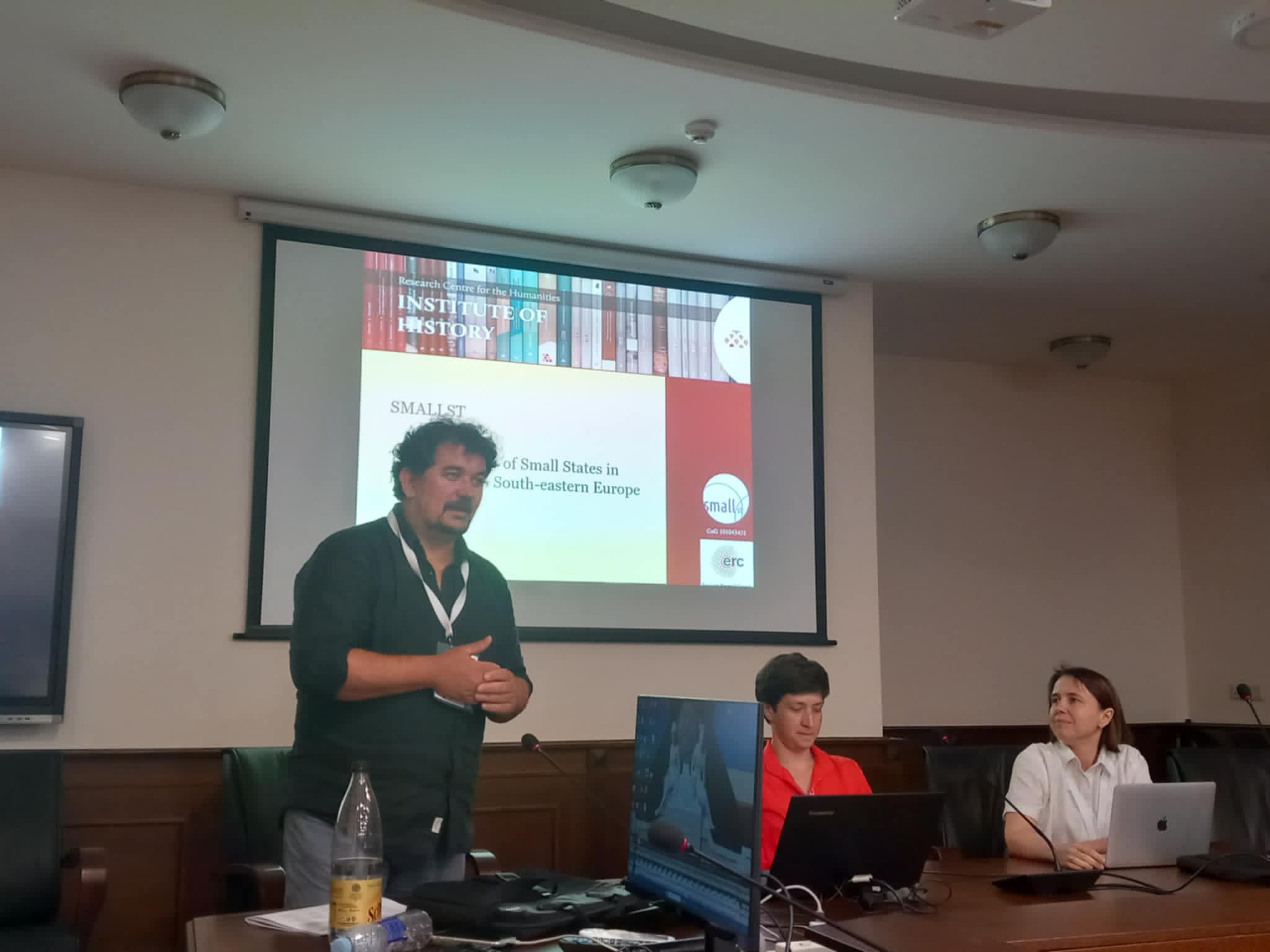
The CIEPO (Comité International des Études Pré-Ottomanes et Ottomanes) Congress, held every two years, is the leading international congress dedicated to Ottoman history. This year, it was hosted on 23–27 June, by the University of Economics – Varna, with the Bulgarian Academy of Sciences and Sofia University St. Kliment Ohridski among the co-organizers. Researchers from the SMALLST project presented the latest results of their work in a dedicated panel.
Gábor Kármán presented a paper examining the mediating role of the Principality of Transylvania in peace negotiations during the sixteenth and seventeenth centuries. While in the sixteenth century the princes of Transylvania often relied on the mediation of the King of Poland in their negotiations with the Habsburgs, in the seventeenth century in turn they themselves increasingly acted as mediators, albeit sometimes not that successfully, as demonstrated by the Polish–Cossack conflicts. After 1606, however, they assumed a genuine mediating role in the Habsburg–Ottoman peace negotiations, where, alongside facilitating the talks, their primary objective was to advance the political interests of Transylvania itself.
Tetiana Grygorieva presented an analysis of the irregular diplomatic communication between Cossack Ukraine and Ottoman borderland officials, highlighting the high security risks faced by messengers. Her research challenges the traditional narrative in Cossack
chronicles of Petro Doroshenko’s complete obedience during the Polish-Ottoman War by examining the “Doroshenko Archive,” which reveals complex negotiations with border military commanders rather than a grand strategy. These letters demonstrate that managing, exchanging, and ransoming captives was a central, systematic business enterprise that drove interactions between the Crimeans and Cossacks. Ultimately, she concluded that relations between minor military commanders and the Cossack Hetmanate followed their own independent trajectory, often completely disregarding the overarching policies of their major rulers.
Natalia Królikowska-Jedlińska delivered a paper titled “On the Diplomatic Representation of the Crimean Khans at the Sublime Porte in the Early Modern Period.” Drawing on Ottoman treasury and protocol registers, narrative sources, and diplomatic correspondence, the presentation explored how communication between the Crimean khans and the Sublime Porte functioned during key moments from the late sixteenth and seventeenth centuries. It highlighted questions concerning the khans’ choice of representatives, the role of members of the Giray family and Crimean grandees as intermediaries, and the broader mechanisms of Crimean–Ottoman diplomacy. The tentative conclusions suggested that the khans’ representatives at the Sublime Porte had to operate in a challenging diplomatic environment, in which they competed for the sultan’s ear with representatives of other Tatar powerholders, including influential vassals and their rival to the throne from among the members of the Giray dynasty.