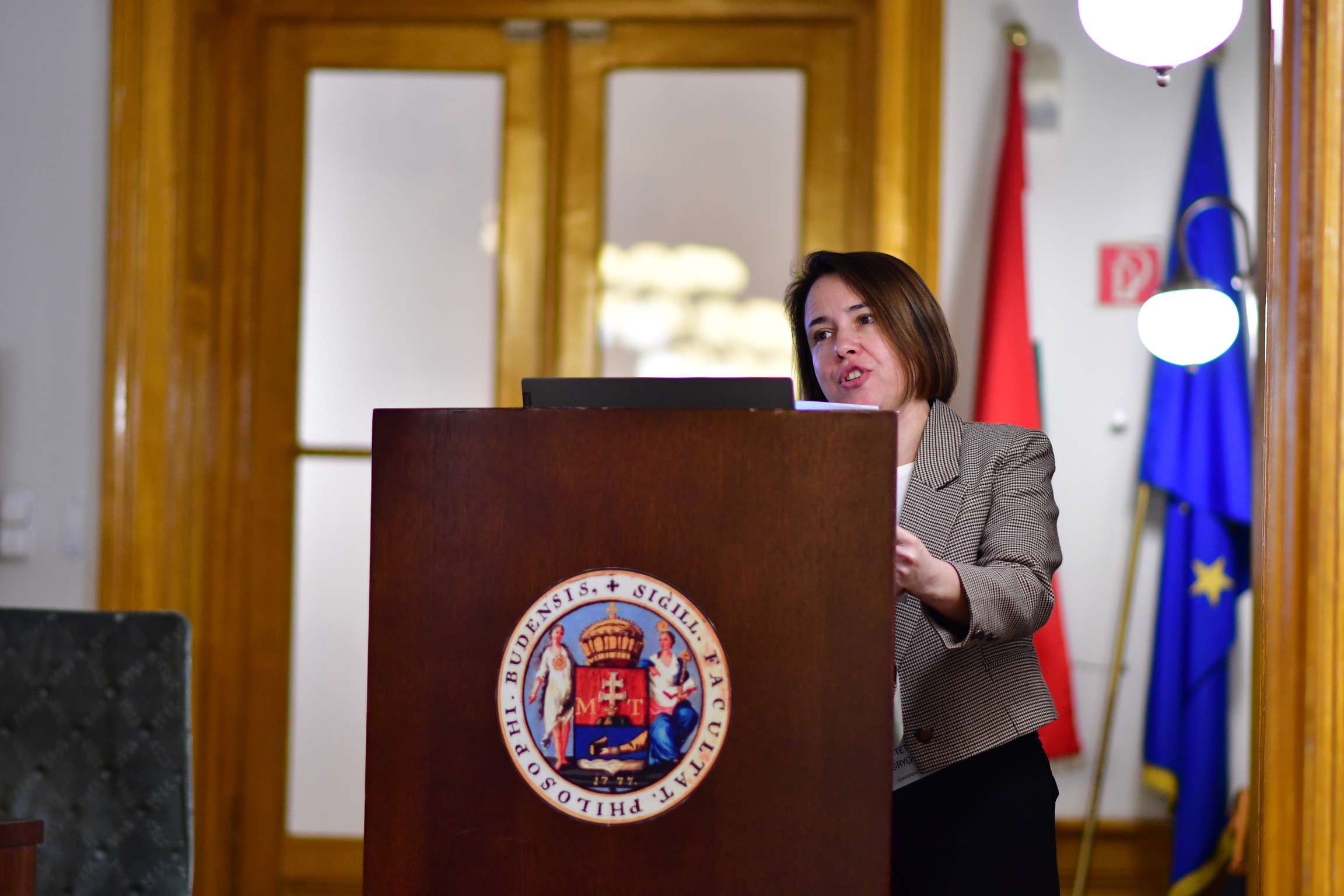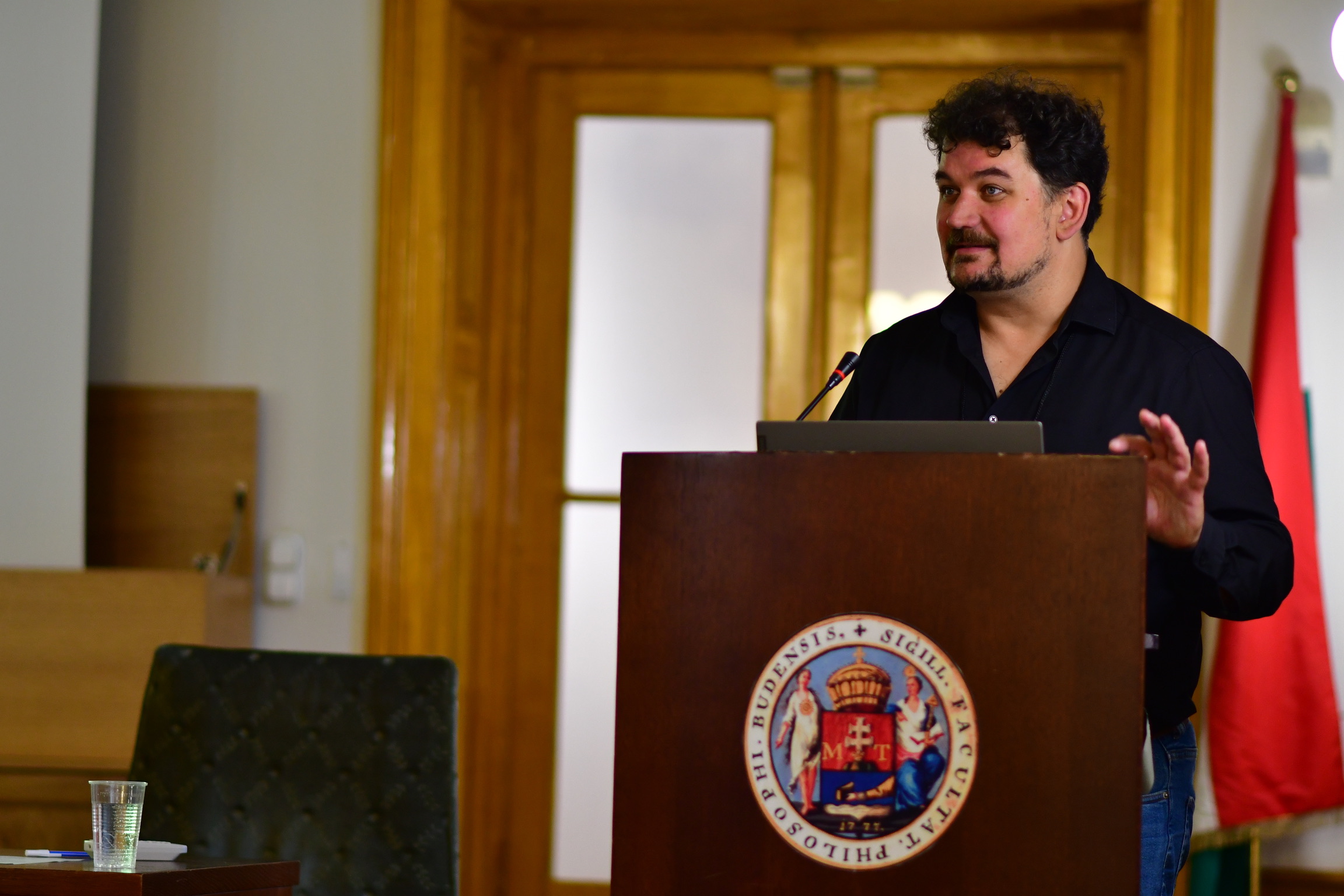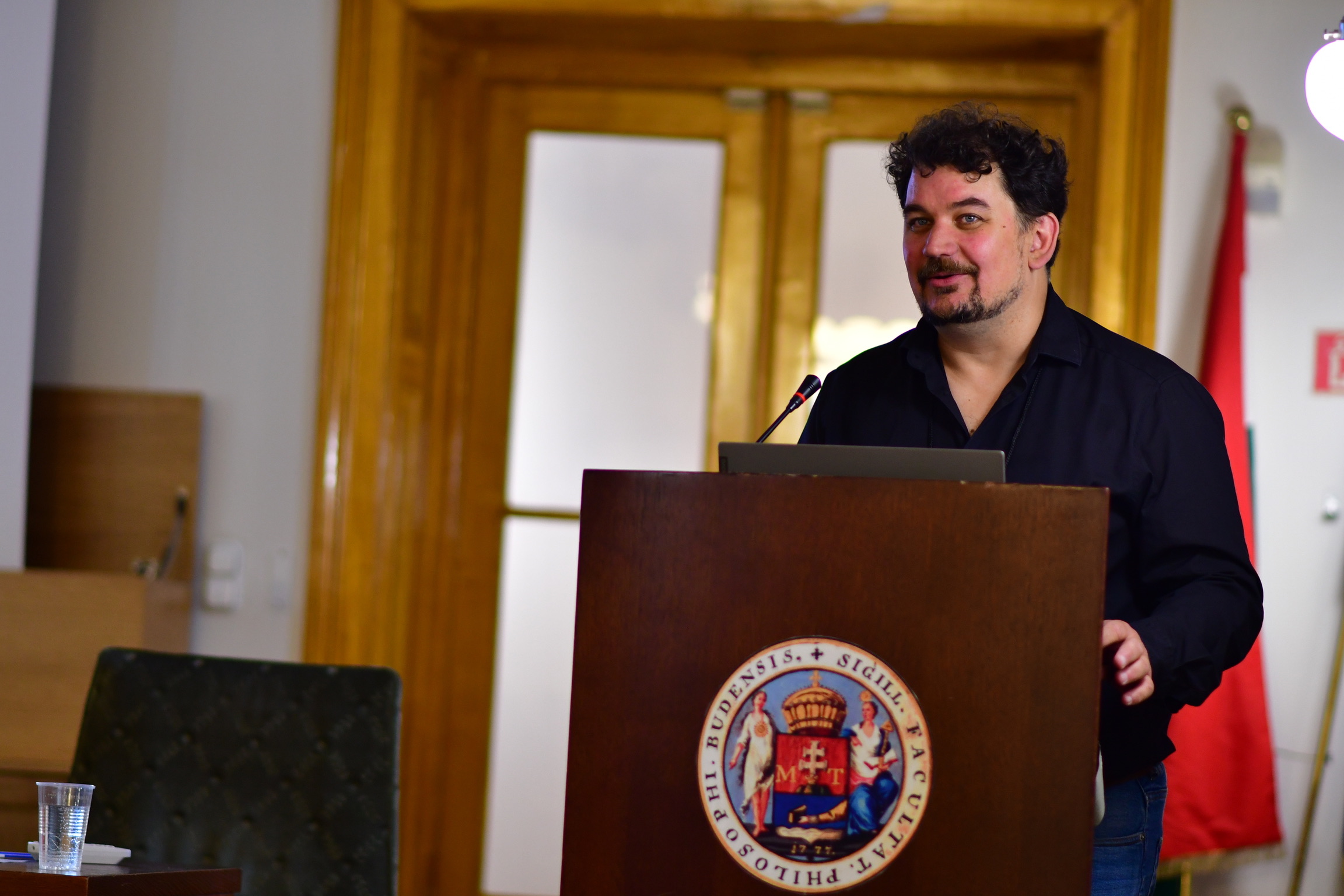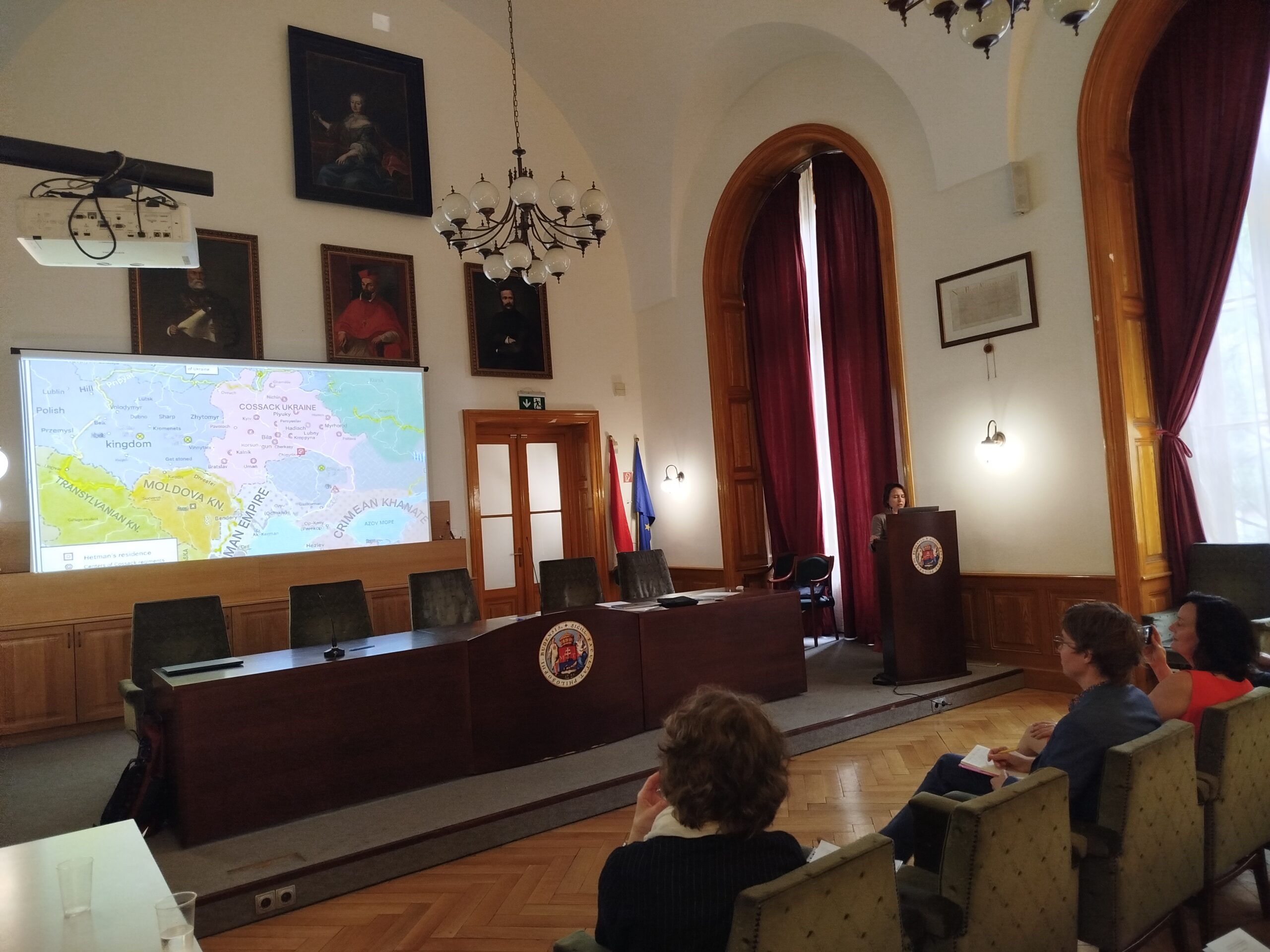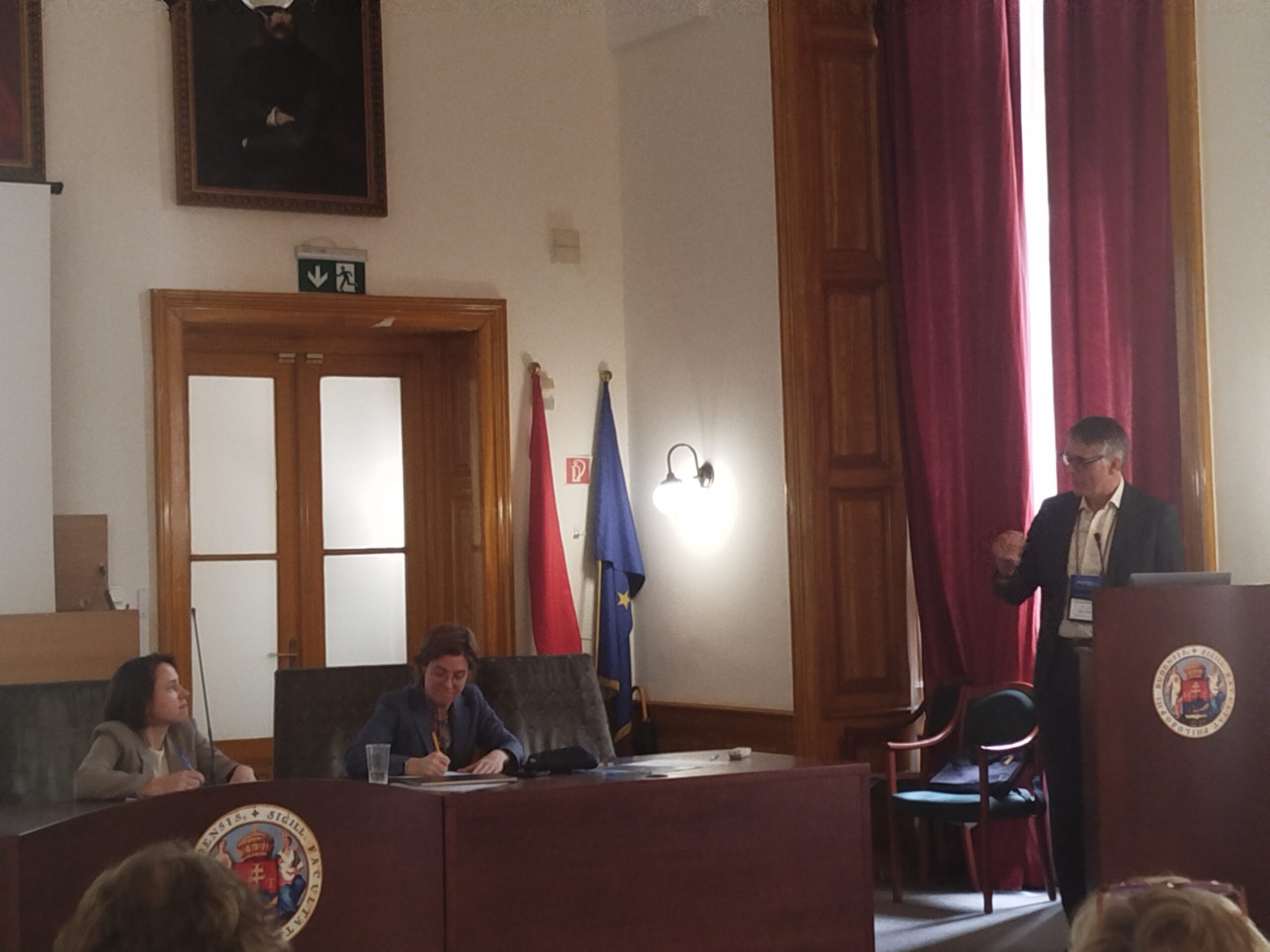
Members of the research group presented papers at the conference 500 Years Entwined History: Central and Ottoman Europe, organized by Eötvös Loránd University (ELTE) and the Institute for Austrian and Central European Studies at the University of Alberta. Experts from numerous countries attended this international conference, which took place at ELTE’s campus in Budapest.
At the conference, Gábor Kármán presented a unique group of historical sources that provide exceptional insight into how the lower strata of the political elite of the Principality of Transylvania in the late 17th century viewed their vassal relationship with the Ottoman Empire. Following the initial successes of the reconquering wars in Hungary, in 1685 Emperor Leopold I’s envoy urged Mihály Apafi to renounce Transylvania’s tributary relationship with the Sultan. In response, the prince requested written opinions from every representative of the Diet then in session. The surviving seventeen opinion papers’ majority opposed the proposed realignment, and the arguments put forward extended beyond pragmatic security concerns. Some voiced concerns regarding the reliability of Habsburg power, some even put forth theological arguments in favor of maintaining ties with the Ottomans.
At the public event held to conclude the workshop, Gábor Kármán presented the project to the local academic community. After discussing the research – particularly the methodological issues of the joint monograph aimed at comparing the small states of the Ottoman borderlands – he presented the group’s findings using the two most recently completed chapters as examples, which introduced the audience to the world of ceremonies. Since all of these small states functioned as vassals of the Ottoman Empire for at least part of their existence, a key issue is determining their hierarchical position within the ceremonial order of the sultan’s court. Every aspect of the analysis points to the prominent position of the Crimean khans, the similar status of Ragusa and Transylvania, and the lower prestige of Moldavia and Wallachia. The second chapter, which looks beyond the Ottoman context, highlights common phenomena, conflicts arising from differences between various ritual systems (particularly in the case of the Tatars), and the phenomenon of the fusion of local and imperial traditions, which can be observed in some places.
In her presentation, Tetiana Grygorieva examined how the Cossack hetman Petro Doroshenko maintained diplomatic representation in Istanbul during the 1670s, with particular attention to envoys such as Havrylo Kovalenko, who served as the hetman’s “ears” at the Ottoman court. The presentation demonstrated that communication between the Cossack Hetmanate and the Porte was hindered by unreliable intermediaries, language barriers, and the chaos caused by continuous warfare – to such an extent that Kovalenko for months remained unaware that Doroshenko had shifted allegiance to Moscow, even after the change had taken place. Ultimately, the case illustrated both the informal, network-based character of Cossack diplomacy and the difficulties the Ottoman Empire faced in governing its distant frontier vassal states.