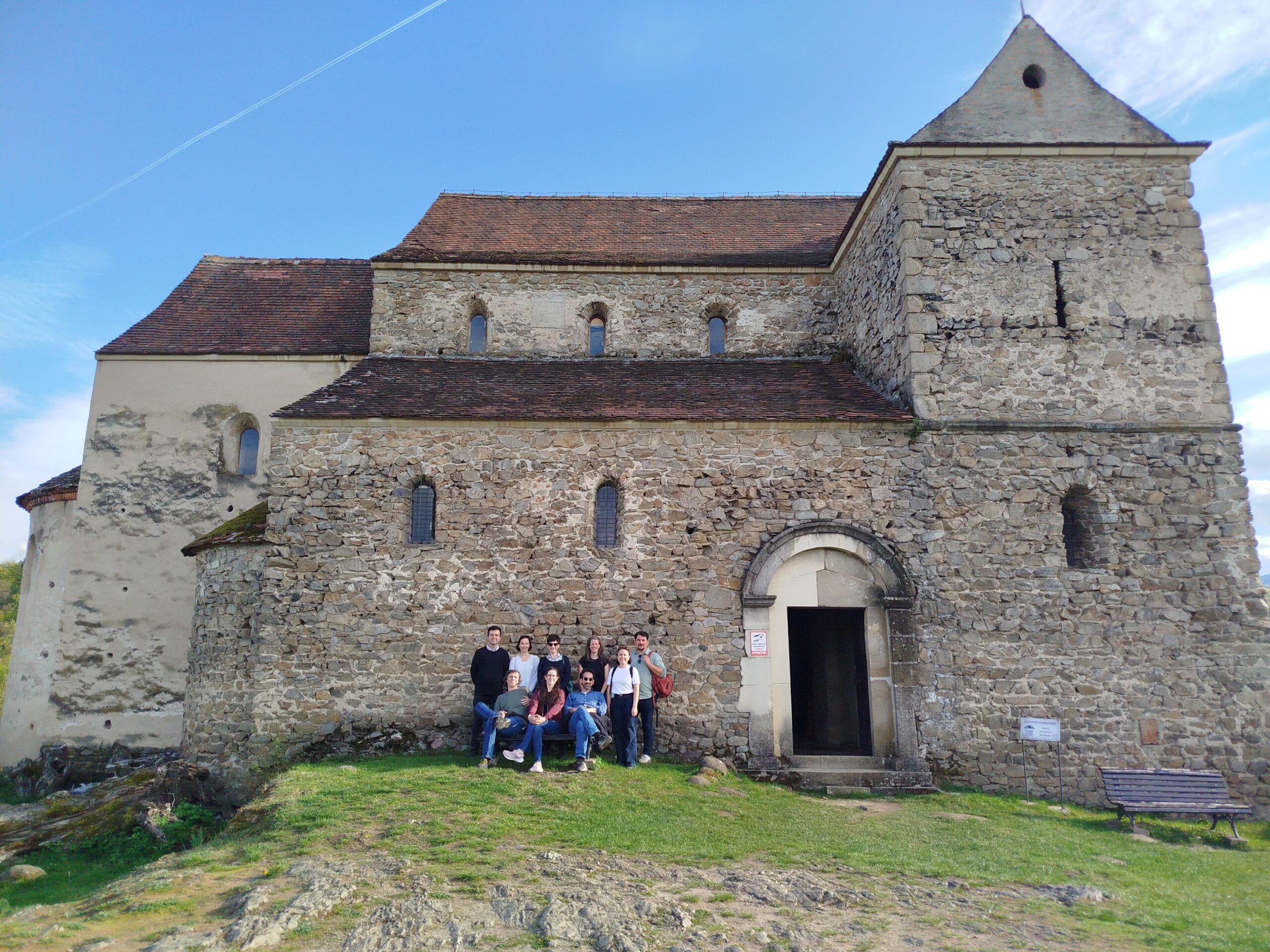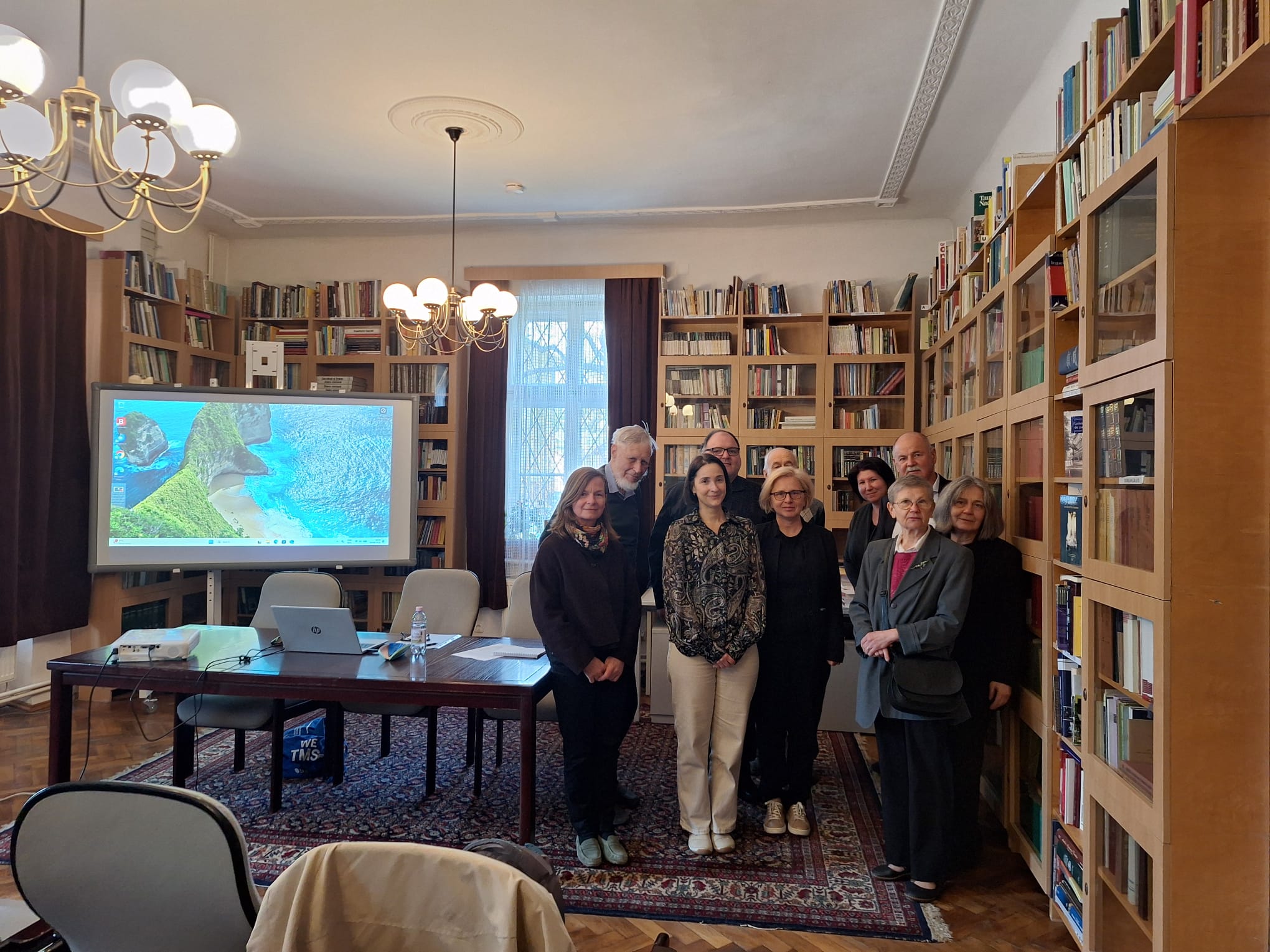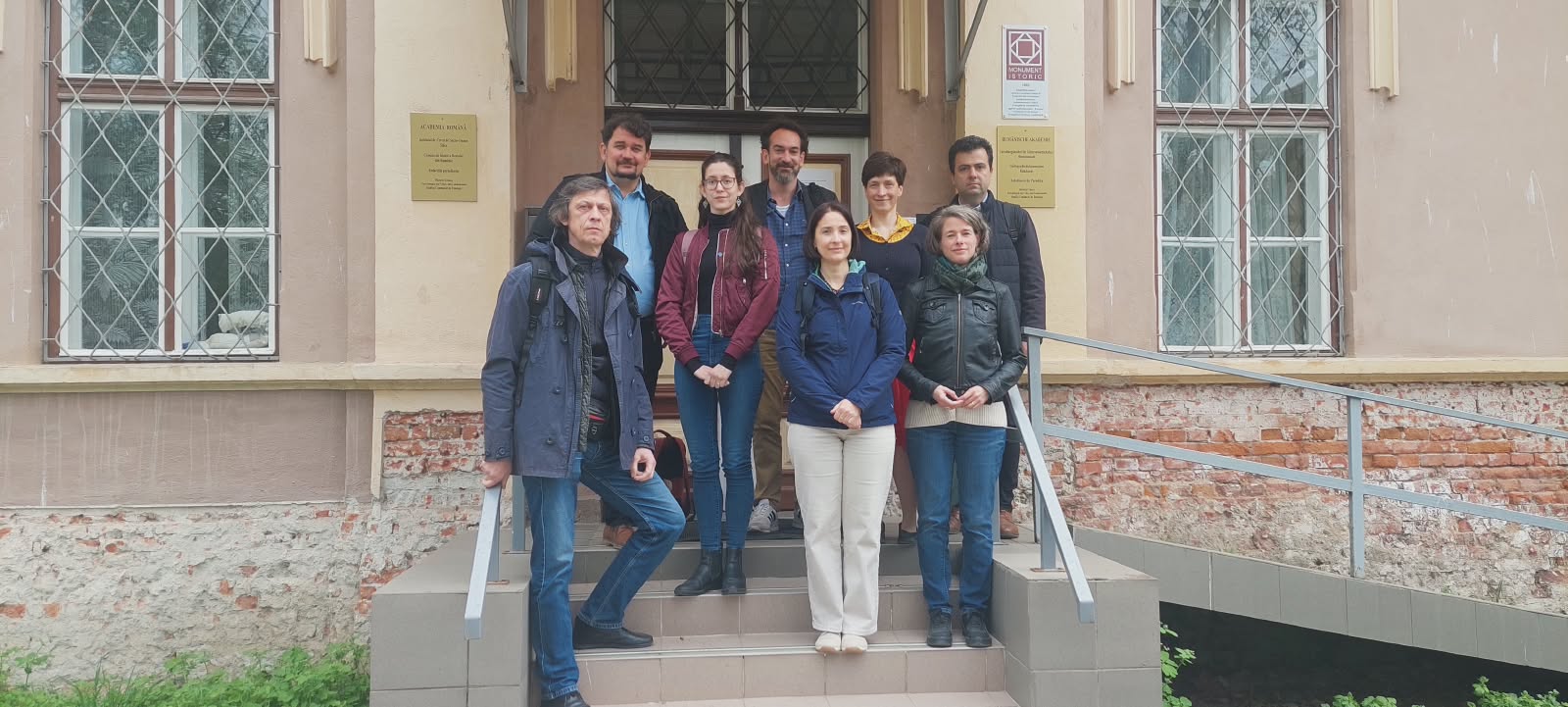
The SMALLST research group held its latest workshop from April 18 to 21 in Sibiu at the Institute of Social and Human Sciences of the Romanian Academy. In connection with the workshop, several members of the group gave public lectures organized by the institute, and the Arbeitskreis für Siebenbürgische Landeskunde.
Zsuzsanna Cziráki’s presentation, which took place on April 16, prior to the opening of the workshop, examined certain aspects of the early modern diplomatic activities of the Transylvanian Saxons within the Principality of Transylvania, in the border zone between the Habsburg and Ottoman Empires. The first part of the presentation introduced three intertwined diplomatic practices. On the one hand, she analyzed the period when Saxon leaders represented the interests of the Transylvanian state, particularly after 1556, when their vassal status vis-à-vis the Ottoman Empire was consolidated. On the other hand, she discussed instances when Saxon politicians prioritized the interests of their own community, even at the expense of the principality’s goals. Third, she discussed the independent diplomatic activities of the Saxon cities, which could diverge from the policies of both the Saxon Universitas and the principality. The second half of the lecture focused on the informal mechanisms that supported Saxon diplomacy. Given the venue of the lecture, she illustrated their economic resources, their family and commercial networks spanning Europe, their reliable methods of gathering information, and their mobility both within and beyond the borders of Transylvania, primarily through examples from Sibiu.
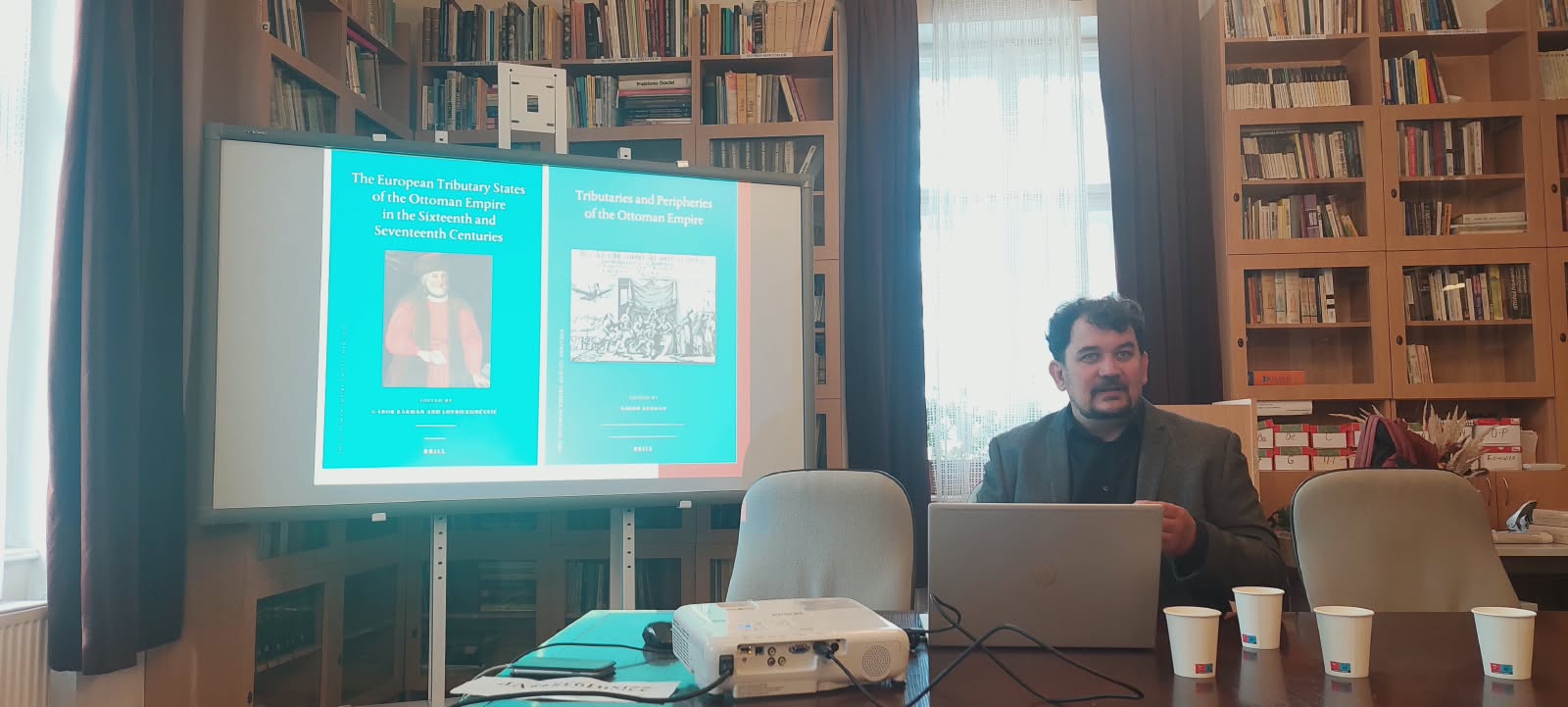
At the public event held to conclude the workshop, Gábor Kármán presented the project to the local academic community. After discussing the research – particularly the methodological issues of the joint monograph aimed at comparing the small states of the Ottoman borderlands – he presented the group’s findings using the two most recently completed chapters as examples, which introduced the audience to the world of ceremonies. Since all of these small states functioned as vassals of the Ottoman Empire for at least part of their existence, a key issue is determining their hierarchical position within the ceremonial order of the sultan’s court. Every aspect of the analysis points to the prominent position of the Crimean khans, the similar status of Ragusa and Transylvania, and the lower prestige of Moldavia and Wallachia. The second chapter, which looks beyond the Ottoman context, highlights common phenomena, conflicts arising from differences between various ritual systems (particularly in the case of the Tatars), and the phenomenon of the fusion of local and imperial traditions, which can be observed in some places.
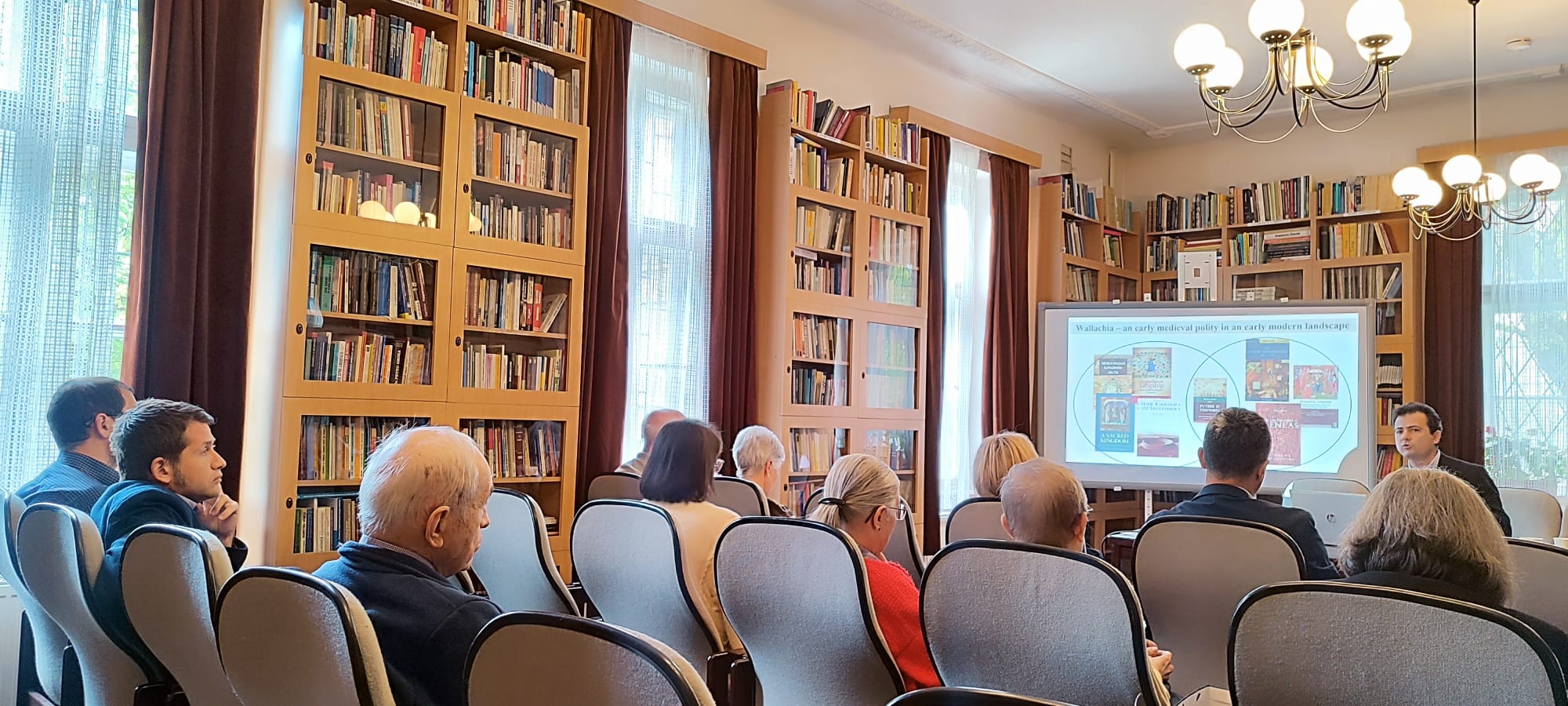
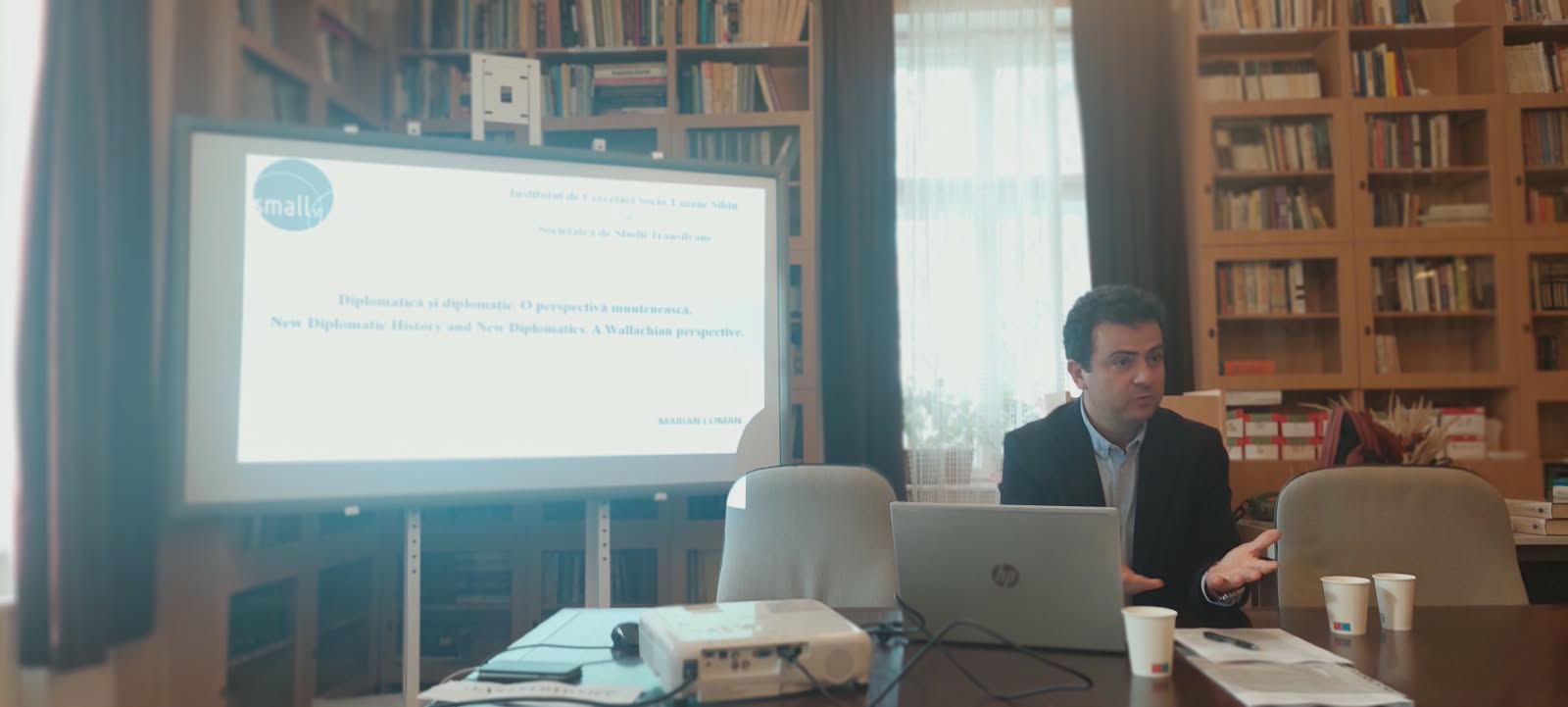
Marian Coman’s paper argued that the frameworks of New Diplomatic History and New Diplomatics, though previously unconnected, can be combined in the study of Wallachian chancery documents, since Wallachia’s sparse documentary culture resembles an early medieval polity more than an early modern one. This makes the material features of its documents – seals, monograms, red ink, solemn parchment – unusually significant as communicative and political acts. Through case studies from letters and charters sent to the Transylvanian Saxon cities of Hermannstadt and Kronstadt, the paper shows how these documents were used to reward envoys, assert lordly identity, threaten rivals, and publicise diplomatic successes.